book Chimney cleaning in Seattle before winter
When to Seek Expert Help: Key Indicators Your Chimney Needs Cleaning: Protect Your Home From Fire Hazards
Chimney maintenance is often overlooked, but it holds an essential place in residential safety. Residents should stay informed about certain red flags that point to the need for professional chimney cleaning. Unpleasant smells, heavy smoke, and creosote accumulation are only some of the warning signs. Overlooking these warnings can give rise to considerable dangers. Being aware of these threats and knowing when to take action can preserve both property review this content and personal safety. The following sections will explore these essential aspects further.
Recognizing the Warning Signs of Chimney Neglect
How can homeowners identify the signs of chimney neglect? Homeowners should be vigilant for several key indicators. A significant warning sign is the presence of creosote buildup, which often manifests as a black, sticky residue along the flue walls. This accumulation occurs with regular use and suggests the need for immediate attention. Additionally, homeowners might notice a foul odor emanating from the chimney, indicating that debris or animal nests are obstructing airflow. Smoke backing up into the living area during a fire is another serious warning sign, which signals poor ventilation. Cracks or deterioration in the chimney structure itself, such as loose bricks or damaged mortar, can also indicate neglect. Furthermore, a missing or damaged chimney cap leaves the chimney vulnerable to moisture infiltration and debris accumulation, weakening its overall structure. Recognizing these signs can help homeowners take timely action before more serious issues arise.
The Hazards of Overlooking Chimney Maintenance
Overlooking chimney upkeep carries substantial risks, primarily through increased fire hazards. Accumulated soot and debris can ignite, leading to dangerous chimney fires that threaten entire homes. Furthermore, physical deterioration can develop as degrading materials erode the chimney's structural soundness over the years.
Fire Hazards Increased
With time, the gradual buildup of creosote deposits and soot in a chimney can transform a cozy fireplace into a dangerous fire hazard. Creosote, a byproduct of burning wood, is extremely flammable and prone to ignition, leading to chimney fires that may endanger the whole household. Failing to maintain your chimney regularly increases the risk of blockages from debris, which can cause smoke and gases to back up into living spaces, posing severe risks to your health. Property owners frequently overlook the critical need for chimney maintenance, but even modest deposits can grow into major safety concerns. A comprehensive professional inspection and cleaning can mitigate these risks, ensuring that the fireplace remains a safe source of warmth rather than an imminent danger to your home and family.
Structural Damage Potential
Disregarding routine chimney upkeep can cause severe structural damage in a home. In the long run, creosote buildup and clogs can cause smoke and gases to back up, creating excessive pressure within the chimney structure. Such pressure can damage or compromise the chimney framework, potentially resulting in costly repairs. Furthermore, moisture accumulation from rain and snow can deteriorate brick and mortar, additionally weakening structural integrity. A neglected chimney may also permit harmful gases, such as carbon monoxide, to seep into living spaces, presenting serious health dangers. Regular inspections and cleanings assist in detecting problems early, ensuring the chimney remains structurally sound and safe. Homeowners must prioritize chimney maintenance to protect their property and safeguard against extensive damage.
How to Stop Chimney Issues
Routine maintenance can significantly lower the risk of chimney problems. Homeowners should prioritize regular inspections to identify potential problems early, including creosote accumulation or structural deterioration. Maintaining a clean perimeter free of debris and vegetation can avoid obstructions and ensure adequate airflow. Fitting a chimney cap can offer additional defense against moisture intrusion and animal nesting, preventing more serious problems from developing.
It is furthermore critical to burn seasoned hardwood, as seasoned hardwood creates significantly less creosote buildup compared to less seasoned or softer wood types. Homeowners should avoid burning treated wood or household waste, as these can release harmful chemicals and increase the likelihood of chimney obstructions.
Furthermore, maintaining a correct flue size for the stove or fireplace guarantees efficient combustion and decreases the risk of smoke backing up into the home. Through implementing these preventive measures, property owners can greatly reduce the chance of chimney-related issues.
How Frequently Should You Schedule Chimney Cleaning?
How frequently should homeowners schedule chimney cleaning to confirm safety and efficiency? Specialists advise that homeowners schedule chimney inspections and cleanings at least one time per year, particularly if the chimney is used regularly. This yearly upkeep assists in stopping the accumulation of creosote, a dangerously inflammable compound that creates a substantial fire threat.
For individuals who make frequent use of their fireplaces, especially throughout the winter season, more regular cleanings may be required. Property owners should also evaluate factors including the fuel type utilized and the overall age of the chimney. Should a chimney be dedicated primarily to wood-burning, additional inspections may be advisable because of the heightened risk of creosote buildup.
Moreover, homeowners should watch for signs of obstruction or decay, which may demand extra cleanings. In the end, proactive maintenance confirms a secure and effective fireplace, reducing fire risks and enhancing overall home safety.
What to Expect During a Chimney Cleaning?
Throughout a chimney cleaning, technicians thoroughly assess and address any debris buildup present in the chimney system. This process typically begins with a thorough visual assessment to detect creosote deposits, clogs, or damage to the structure. With the help of professional equipment, the technician proceeds to eliminate soot, creosote, and debris, promoting unrestricted airflow while lowering fire-related risks.
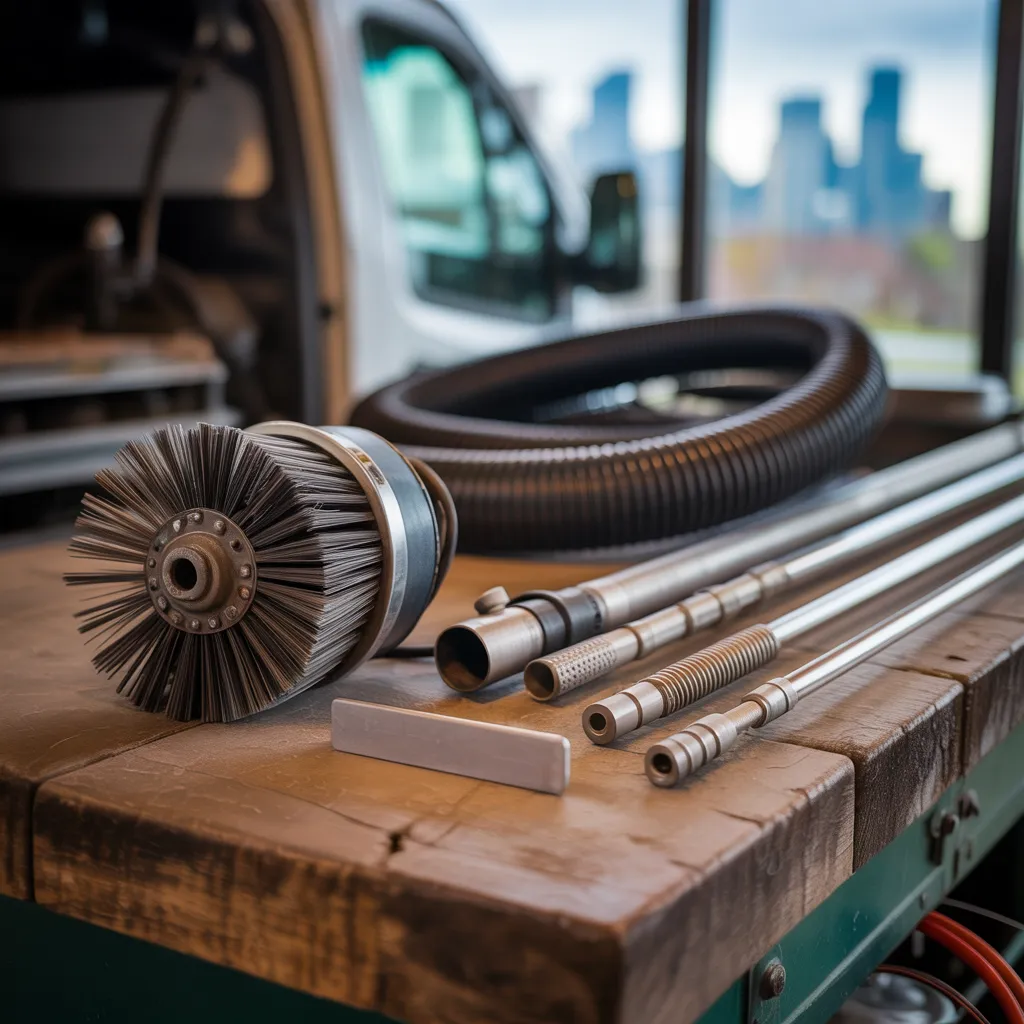
The cleaning process typically involves brushes, industrial vacuums, and various instruments designed to effectively eliminate buildup. Professionals will often inspect the flue system and chimney cap to ensure proper operation and structural integrity. Following the cleaning, technicians typically offer suggestions for upkeep or corrective repairs if issues are identified.
Ultimately, a post-cleaning inspection confirms that the chimney is safe for use, and the technician will often offer advice on when future cleanings should be arranged. This detailed approach guarantees the chimney functions at peak safety and efficiency, keeping the home protected from fire-related dangers.
Locating Skilled Chimney Cleaning Experts
To find reliable services, individuals can ask for referrals from local hardware stores, friends, or family members. Online reviews and ratings on websites like Yelp, Google, or similar platforms can provide insights into customer satisfaction. One should obtain insurance documentation and references before making a decision.
Additionally, gathering several estimates can help homeowners evaluate reasonable pricing and evaluate the expertise of various service providers. When all is said and done, enlisting qualified chimney cleaning specialists not only provides thorough cleaning but also defends against dangerous fire hazards, enhancing the overall safety of the residence.

Frequently Asked Questions
Am I Able to Clean My Own Chimney?
Self-cleaning a chimney can be done, but it demands the right knowledge, appropriate tools, and careful safety measures. A large number of homeowners choose professional cleaning services to secure a complete cleaning and eliminate dangers that may arise from improper upkeep.
How Much Will Professional Chimney Cleaning Set You Back?
Hiring a professional chimney cleaner usually ranges between $100 and $300, influenced by factors like chimney condition, location, and ease of access. Homeowners are encouraged to account for these fees when preparing for regular maintenance and making sure their chimney functions properly and safely.
What Equipment Is Required for Chimney Cleaning?
Cleaning a chimney necessitates essential equipment such as a dedicated chimney brush, extendable rods, a vacuum for debris, a drop cloth to protect surroundings, and personal safety gear like protective goggles and gloves to guarantee a thorough and safe cleaning experience.
Are There Specific Weather Conditions for Chimney Cleaning?
Chimney maintenance should be carried out in dry, mild weather. Precipitation such as rain or snow can create challenges, while severe temperatures might compromise the performance of maintenance tools. Clear skies guarantee ideal conditions for thorough maintenance and safety.
How Do I Recognize a Qualified Chimney Specialist?
To find a competent chimney professional, homeowners should seek credentials from trusted organizations, review online feedback, request references, confirm insurance coverage, and ensure the professional has extensive experience in chimney upkeep and cleaning.